

MATERIALS
ABOUT THE MATERIALS.
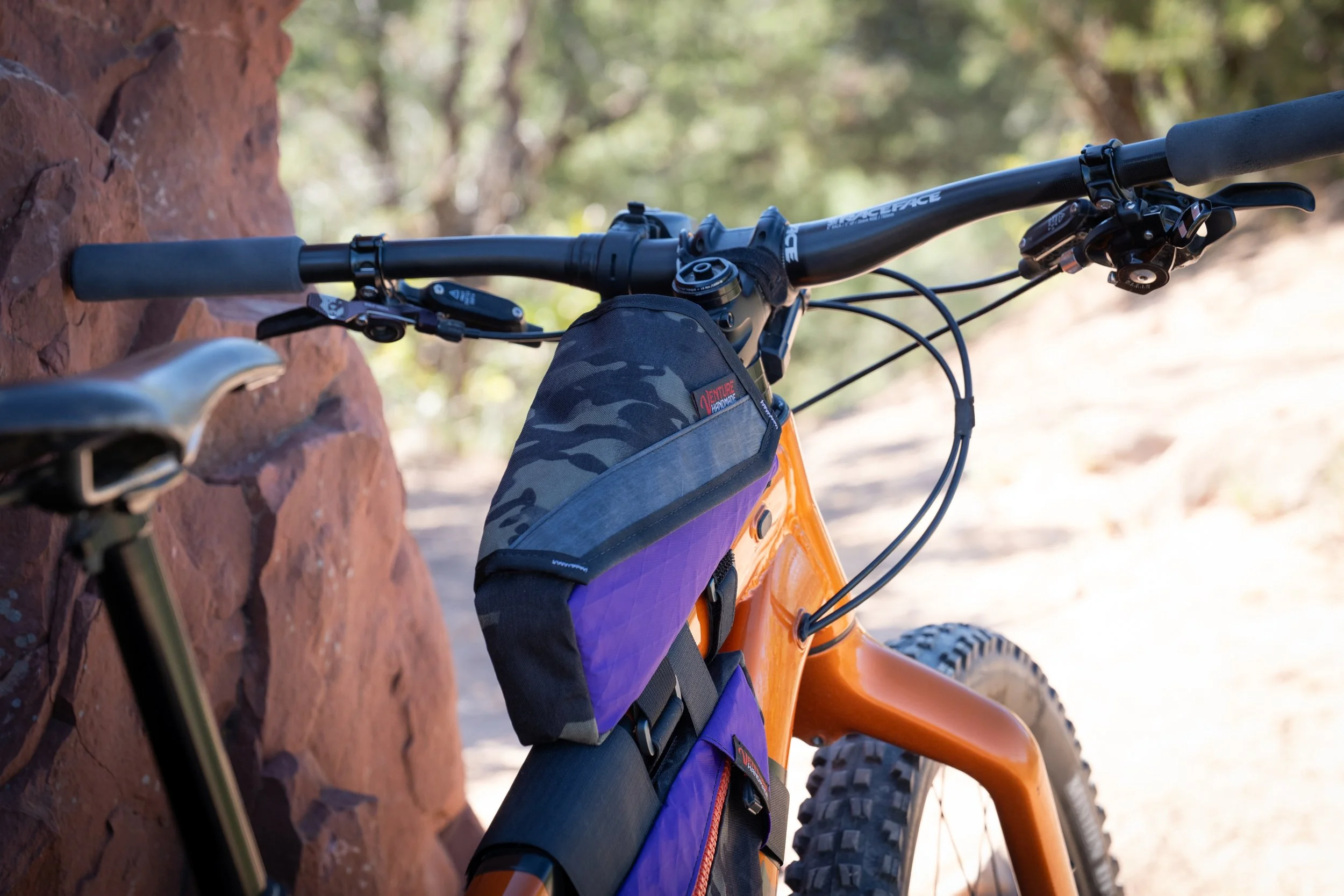
I use the highest-quality materials I can find, and choose US-made whenever possible. Most of the fabrics you see in the products are made on American soil by Dimension Polyant and are part of their well-known X-Pac line. My preferred RX-series fabrics are 100% recycled, and 100% US-made, including the raw materials the fabric is woven from!
I also use many other materials in various parts of my gear - various synthetic rubber textiles, various packcloths, and more. I choose each material for the demands of the role it must fulfill.
Depending on what color you choose when ordering, your gear will feature slightly different fabrics. All the materials have met my stringent performance standards. There are minimal weight and performance differences between certain colors, but I suggest simply ordering whatever color you think looks best - because the differences are imperceptible in real world use.
REAL-WORLD PERFORMANCE.
I select materials based on the mission that particular piece of gear must fulfill. For outdoor-use gear, that means I’m thinking about performance characteristics of the piece overall. I’m thinking about abrasion, weather conditions, and real-world conditions the gear will experience. My gear has been used around the world and in every weather condition imaginable.
While no piece of gear is indestructible, I plan for heavy use. The materials I use are very tough and feature wear patches and often-invisible reinforcements in key areas. I build using techniques that prolong gear life - I’m not in the business of planned obsolescence.
WHAT DOES "WATERPROOF" MEAN IN ACTUAL USE?
The materials I use are waterproof and my gear has been heavily used in every climate imaginable, including Scottish winters and Asian jungles. Because stitching textiles is the strongest way to build gear, and stitching creates seams, my outdoor gear is highly weather-resistant but not 100% waterproof. Under heavy rain events, you may see some dampness seep through the seams. You may think that common PVC (plastic tarp) bags solve this problem, but the real-world reality is:
‘Waterproof’ doesn't mean no water enters your bags. Other gear gets wet, and then goes into your bags - condensation-soaked shelters, sweaty clothing, rain gear after the storm has passed. In reality, regardless of what type of bags you use, you should individually waterproof sleep gear and other critical items. Instead of imagining the inside of your bags will stay 100% dry, the best approach is to use highly weather-resistant gear and then use simple plastic bags to keep your critical items individually protected.
Welded gear isn’t as durable as sewn gear. The materials used in RF-welded construction are more wear- and failure-prone than the materials I choose to use, particularly considering abrasion. And welded seams aren’t as durable as sewn seams - no bag is waterproof once the seams bust open! Case study: A leading American motorcycle gear builder makes both sewn and welded bags. Warranty on sewn bags is 10 years; warranty on welded is only 1 year. This is why I sew my gear.
